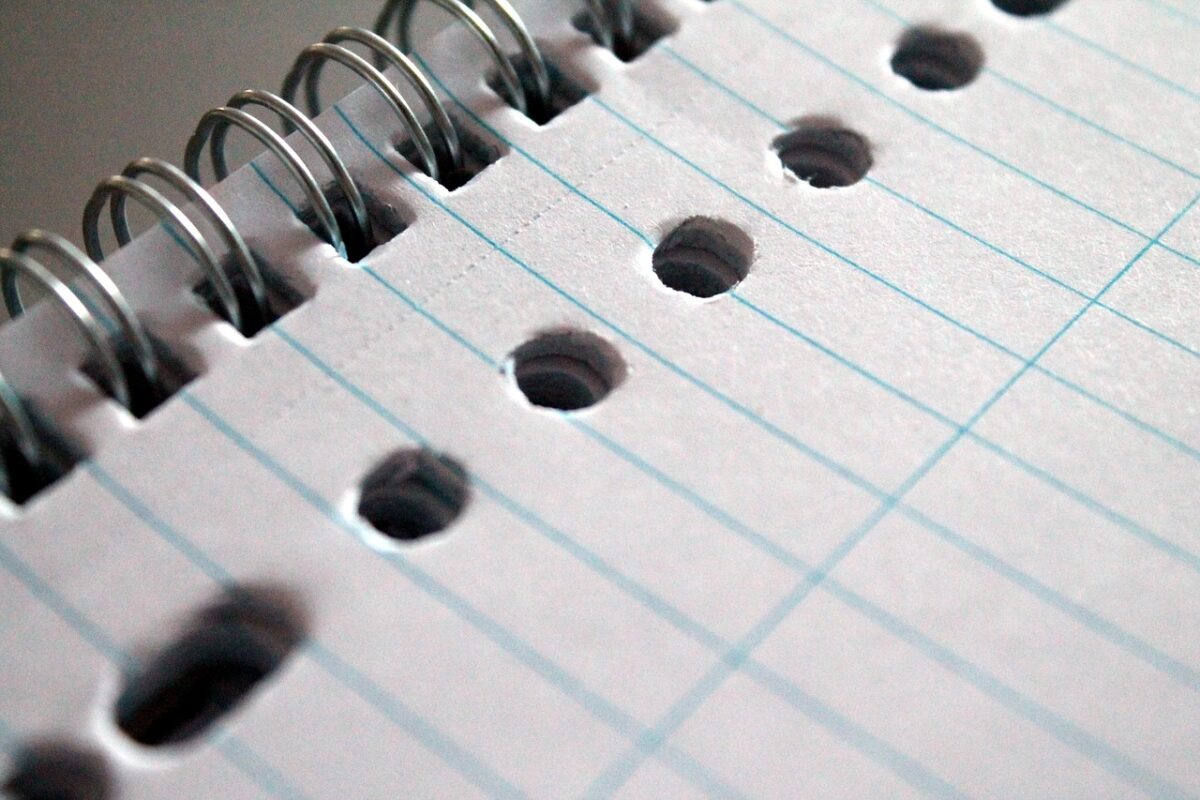
Binding method decides how a document opens, whether it can be changed later, and how it looks on a desk. The three common methods are not interchangeable.
Comb binding
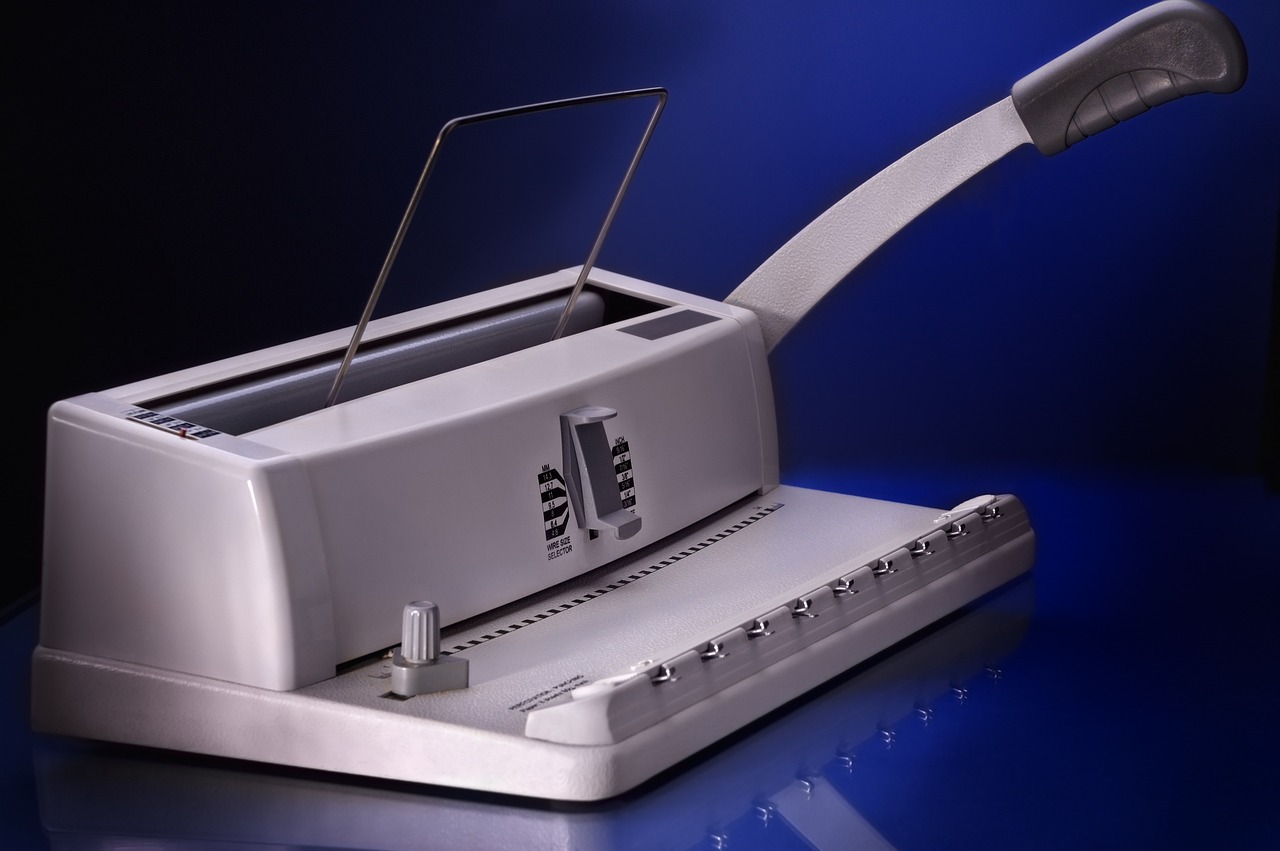
A plastic comb with fingers that pass through rectangular holes. The machine opens the comb, you drop the pages on, and it closes.
The defining property: it reopens. Put the document back in the machine, open the comb, add or remove pages, close it. Nothing else on this page does that.
- Right for: documents that change — manuals with updates, training material, tender documents assembled from sections, anything where a page might be replaced.
- Capacity: combs run from about 6 mm (around 25 sheets) to 51 mm (around 425 sheets).
- Limitations: it does not lie flat easily, and it will not fold back on itself. The comb spine is bulky, which matters when documents are stacked or shelved.
Coil binding
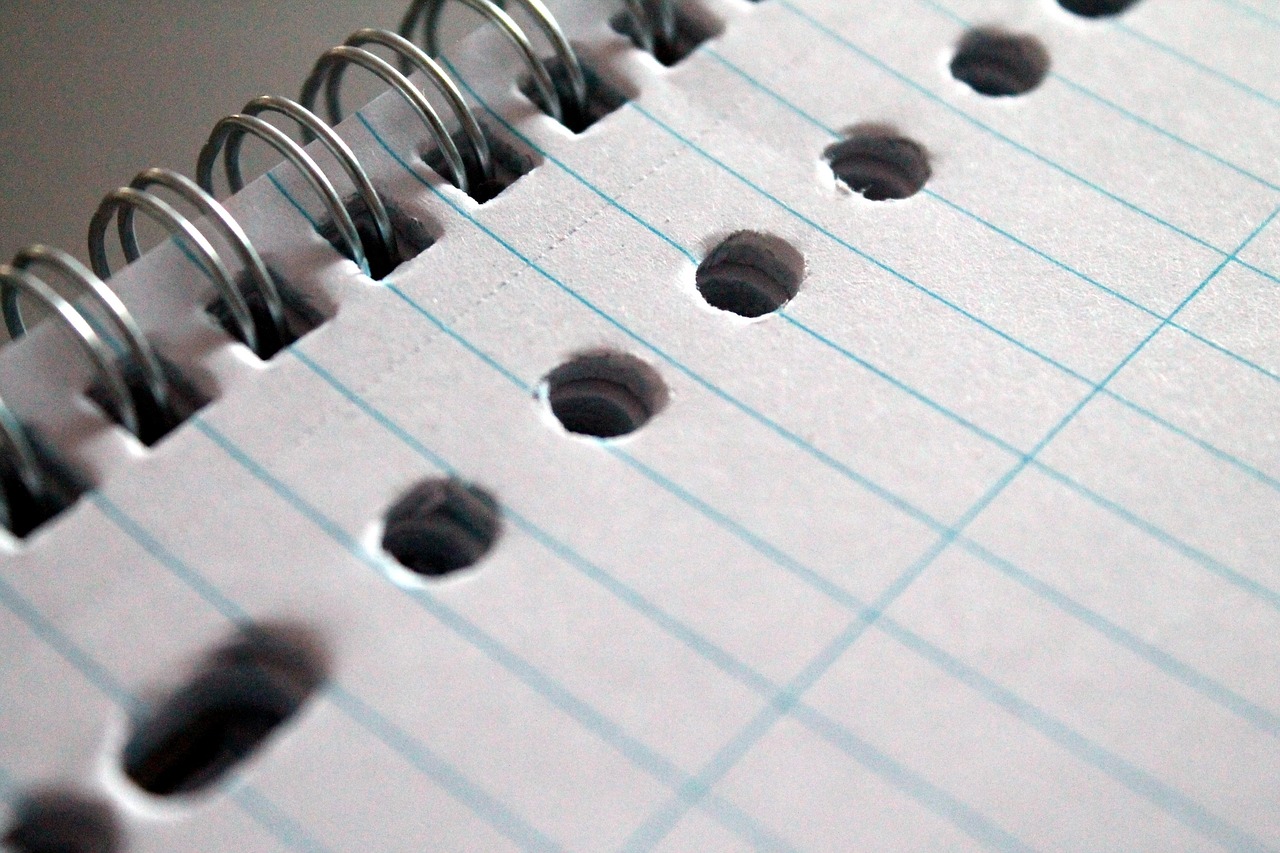
A continuous plastic spiral wound through round holes.
The defining property: it lies flat and folds back 360 degrees. A coil-bound document can be folded so only one page shows, which is why cookbooks, workshop manuals and music are coil bound.
- Right for: anything used while doing something else — reference material on a bench, instructions followed step by step, notebooks.
- Capacity: roughly 15 to 440 sheets depending on coil diameter.
- Limitations: not reopenable. To change a page you cut the coil off and rebind. Coils can also be crushed if a document is dropped on its spine, and a crushed coil does not recover.
Wire versus plastic coil
Twin-loop wire gives a more finished appearance and lies flat like coil. It is less forgiving — wire that is over-closed cannot be reopened, and it needs a closer with a good gauge. Plastic coil is more tolerant of a slightly wrong diameter.
Thermal binding
A pre-glued cover; the document goes in, the machine heats the spine, the glue melts and grips the page edges.
The defining property: it looks like a book. A clean printed spine, no holes punched through the pages, no visible mechanism.
- Right for: proposals, reports going to clients, dissertations — anything where presentation carries weight.
- Capacity: set by the cover you choose, typically up to about 340 sheets.
- Limitations: not reopenable, does not lie flat, and it is the most expensive per document because each one needs its own glued cover. Heavy or coated paper holds glue less well than uncoated stock.
Choosing quickly
- Will it change? Comb.
- Will it be used hands-free while working? Coil.
- Is it going to a client? Thermal.
- Do you need all three occasionally? A comb machine is the most versatile single purchase, because a comb document can always be rebound.
Sizing the spine
Undersizing is the common error. A comb or coil that is too small strains the holes and tears the pages at the punch line.
Measure the stack thickness with the covers on and choose a diameter rated for slightly more than that. A document bound at exactly its rated maximum will not turn freely.
Covers matter more than expected
A clear front and a card back is the standard combination and it exists for a reason: the title page is visible and protected, and the back gives the document rigidity. A document bound without a card back flops.
For coil and comb, check the cover is punched to the same pattern as the pages — mismatched hole patterns are a surprisingly common frustration.
Browse Comb Binding Machines and Coil & Thermal Binding, or ask us which suits your run.