Hole patterns are one of those areas where everything looks similar and nothing is compatible. Knowing the vocabulary saves buying the wrong consumable.
Ring binder patterns
Two-hole
80 mm apart, the standard for lever-arch and two-ring binders in much of the world. Simple, and the pattern most general-purpose punches produce.
Three-hole
The standard for letter-size ring binders in the United States, spaced 4.25 inches apart. A three-hole punched page does not fit a two-ring binder and vice versa.
Four-hole
Used for A4 four-ring binders. Note that a four-hole page usually fits a two-ring binder as well, because the outer pair matches the 80 mm spacing.
Comb binding: the 19-ring pattern
Rectangular holes, 19 of them across a letter or A4 sheet, at a 9/16 inch pitch. This is a single standard and comb machines almost universally punch it, which is one reason comb binding is the most interchangeable method.
For A4 specifically, 21 holes is also seen. A 19-hole comb will bind a 21-hole punched sheet with two unused holes, but the reverse does not work.
Coil binding: pitch is everything
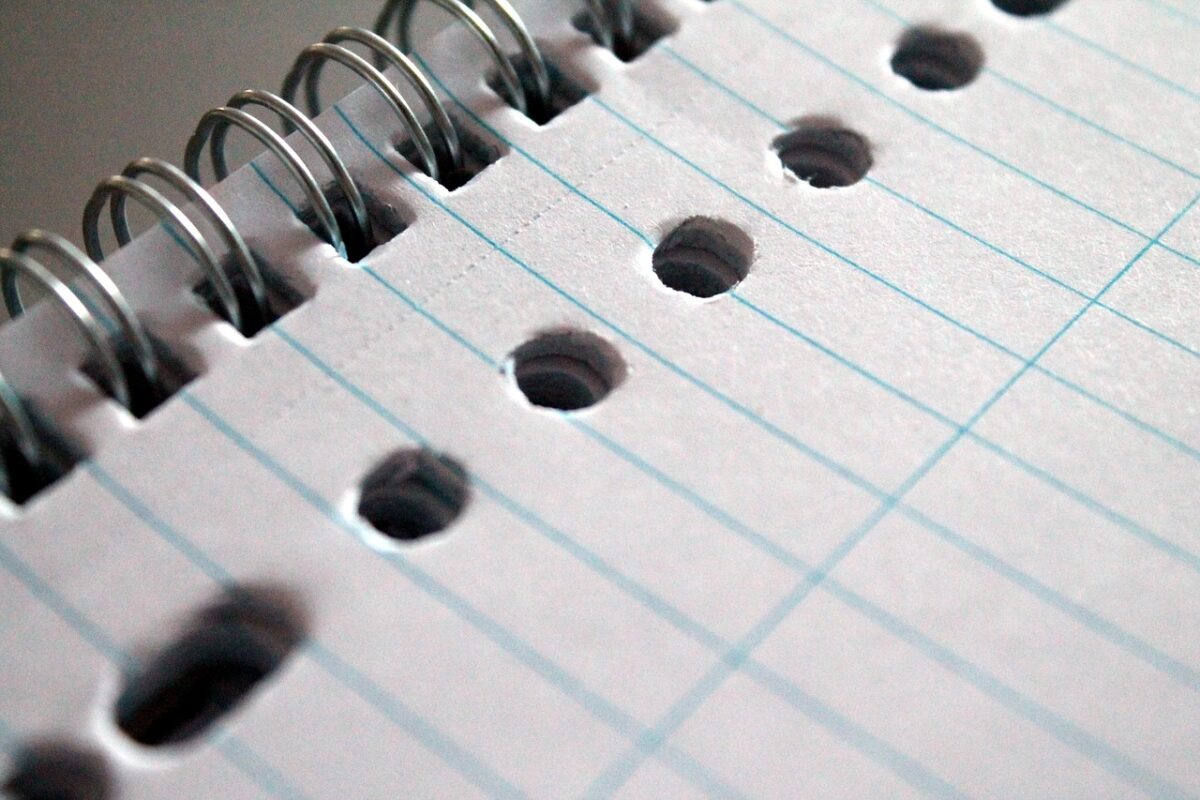
Coil uses round holes, and the spacing between them is called the pitch.
- 4:1 pitch — four holes per inch. The most common for plastic coil.
- 5:1 pitch — five holes per inch. Finer, used with smaller coils.
- 3:1 pitch — three holes per inch. Standard for twin-loop wire.
A 4:1 coil will not thread through 3:1 punched holes. This is the single most common consumable mismatch, and it is not adjustable — the machine punches one pitch.
If you buy a coil machine, note its pitch and buy coil to match. If you already have a stock of coil, check its pitch before buying a machine.
Twin-loop wire
Usually 3:1 pitch for documents up to about 120 sheets, and 2:1 pitch above that. Again not interchangeable, and wire closers are sized to the pitch as well.
Disengageable pins
The feature that solves most pattern problems. A machine with individually disengageable punch pins lets you turn off the pins that would fall off the edge of a non-standard sheet, so you get full holes across the whole width rather than a half-hole at one end.
If you work with mixed paper sizes, this is worth more than extra punch capacity.
Matching covers to pages
Pre-punched covers are sold by pattern. A pre-punched cover in the wrong pattern is unusable, and it is easy to buy the wrong one because the packaging looks identical.
Safest approach: buy unpunched covers and punch them on the same machine as the pages. It takes an extra minute and it guarantees alignment.
A quick identification method
If you have a bound document and do not know its pattern:
- Rectangular holes, about 19 across a letter sheet: comb, 19-ring.
- Round holes, count them across one inch: that is your pitch.
- Oval holes: usually twin-loop wire.
- Two or three large round holes near the edge: ring binder.
Before you order consumables
Write your machine’s pattern and pitch on a label and stick it to the machine. It is the single most useful thing you can do for whoever orders supplies next.
Our Punches & Binding Supplies listings state the pattern and pitch for every item. Send us a photo of an existing document if you are not sure what you have.