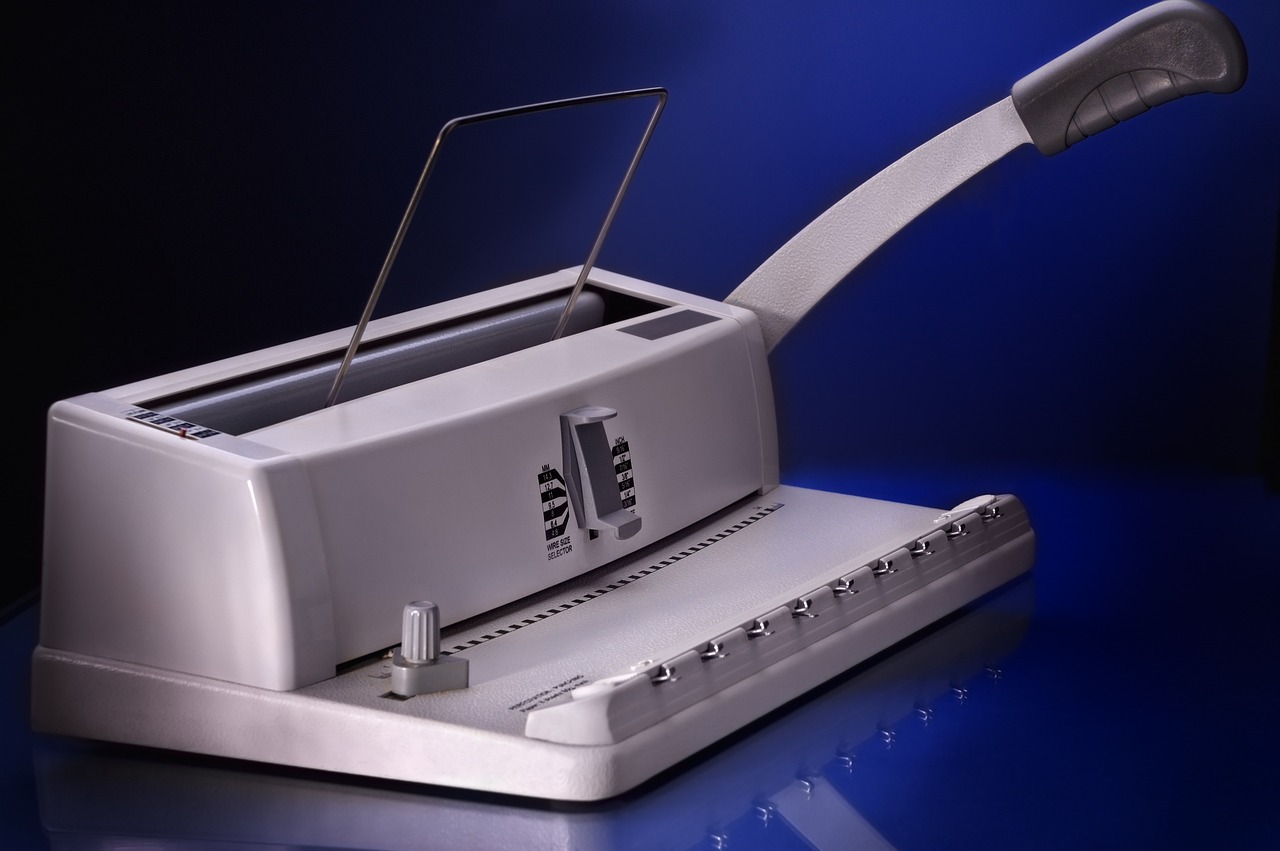
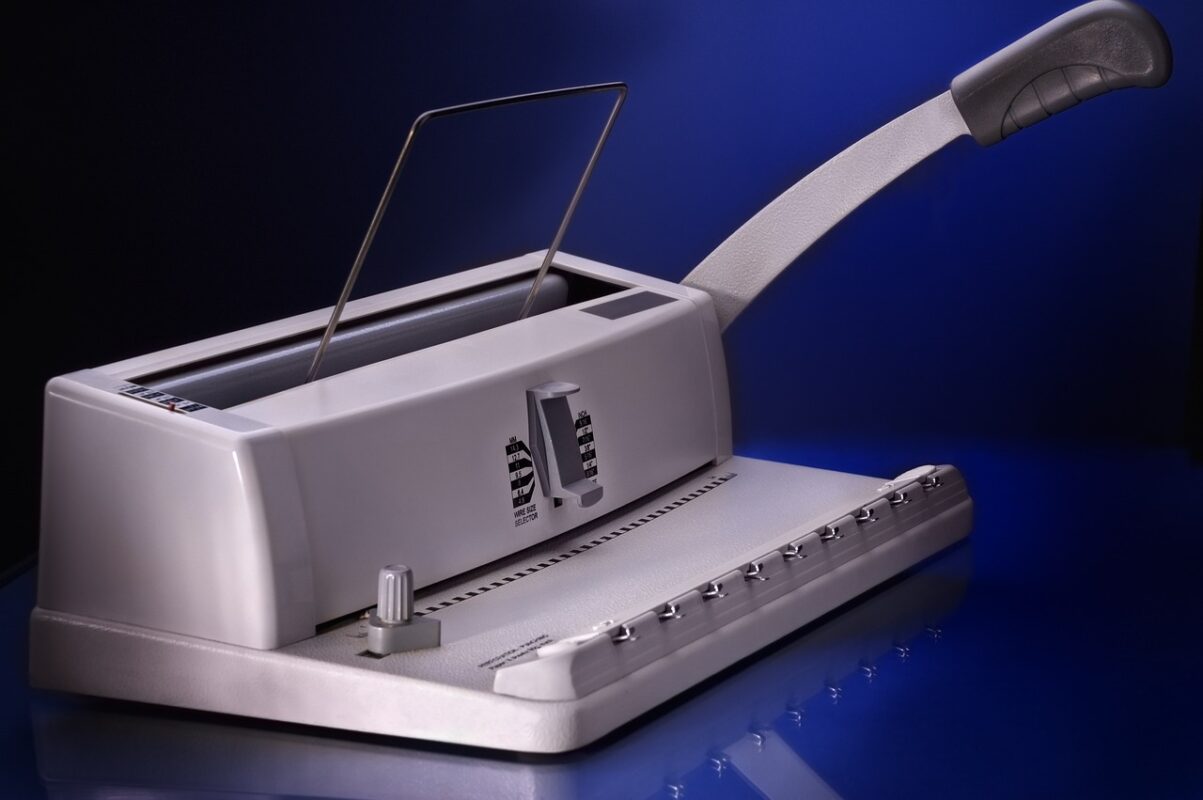
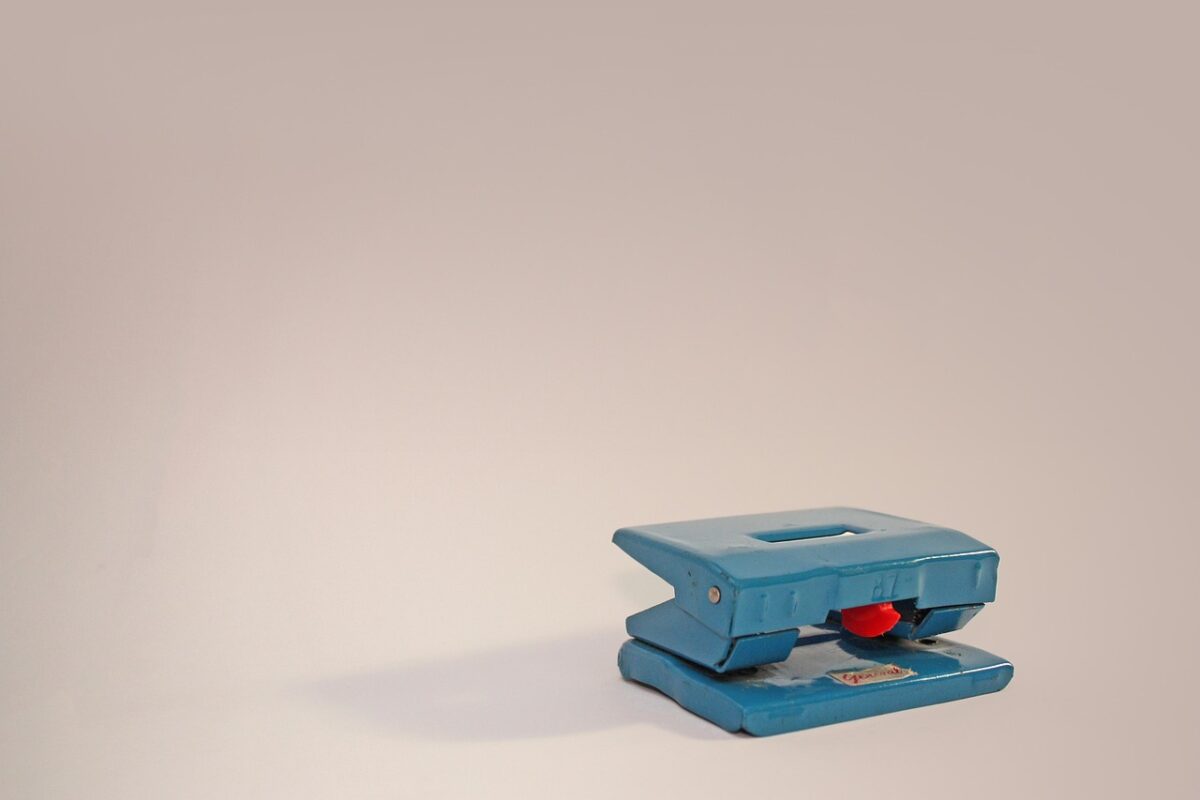
Binding machines are mostly mechanical and they last a long time if the die stays sharp. Three habits determine whether it does.
1. Empty the chip tray
The most consequential piece of maintenance and the most neglected. A full tray means punched chips have nowhere to go, so they compact under the die. That produces incomplete punches, extra resistance on the handle, and eventually a bent pin.
Empty it before each significant job, and once during a long run. On machines where the tray is awkward to reach, this gets skipped — which is why tray access is worth checking before buying.
2. Do not punch at maximum capacity
The rated capacity is what the machine will do, not what it should do repeatedly. Punching at the maximum every time works the die hard and dulls it faster.
Working at around 70–80% of the rating extends die life substantially and produces cleaner holes. It also reduces the chance of a crooked punch, because a smaller stack is easier to square.
3. Punch paper, and only paper
What damages dies:
- Staples. A staple in a punch die will chip it. Always check stacks.
- Laminated sheets. Far harder than paper; some machines are rated for them, most are not.
- Heavy card in bulk. Punch covers one at a time.
- Adhesive labels. The glue transfers to the pins and then collects paper dust.
Lubricating the die
Most manufacturers recommend punching a sheet of wax paper occasionally — a plain sheet run through the punch with no binding. The wax transfers to the pins and reduces friction.
Do this every few thousand sheets, or whenever the handle starts to feel like it is dragging rather than cutting.
Do not oil a punch die with machine oil. Oil holds paper dust and forms an abrasive paste.
Signs a die is dull
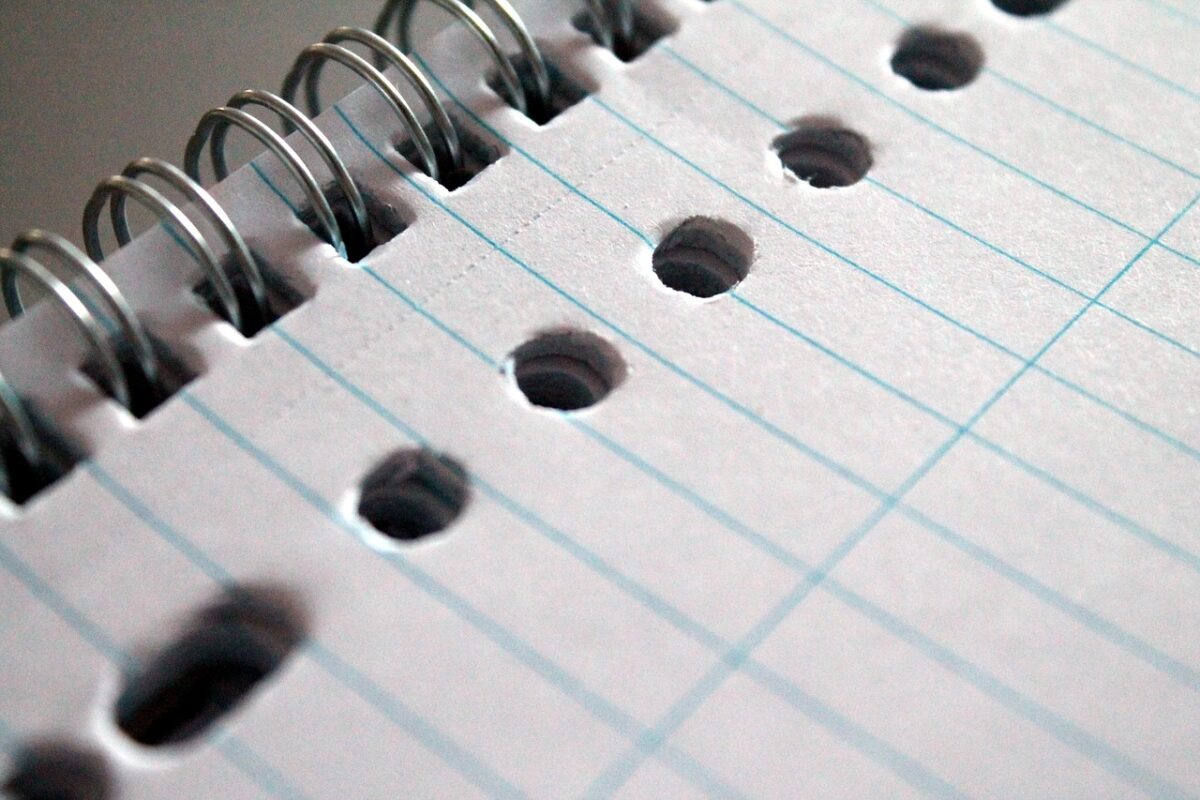
- Holes with ragged edges or a hanging tab of paper rather than a clean chip
- Noticeably more effort on the handle for the same stack
- The stack shifting during the punch, because the pins push rather than cut
On many machines the die is replaceable. On lighter machines it is not, and a dull die effectively ends the machine’s useful life — worth knowing before buying if the machine will see heavy use.
The binding mechanism
For comb machines the opening mechanism is a simple linkage and needs little. Check the comb fingers seat evenly along their length; a linkage that opens further at one end binds unevenly.
For electric coil inserters, keep the roller clean. Coil dust and paper fibre build up and the roller starts to slip.
For thermal binders, the heating plate needs to stay clean. Glue that has escaped a cover and hardened on the plate transfers to the next document.
Storage and position
Keep the machine on a surface that can take the force of the punch. A machine on a flimsy table moves as you pull the handle, and movement is crooked holes.
Keep it covered when not in use. Paper dust in the mechanism is the slow enemy.
When something goes wrong mid-job
Stop rather than forcing. A handle that will not complete its stroke usually means a full tray, too many sheets, or something metallic in the stack. Forcing it is how pins bend, and a bent pin means every subsequent punch has one bad hole.
What to keep in stock
Wax sheets for the die, spare combs or coils in the sizes you use most, and — if the machine takes a replaceable die — one spare.
See our machine range for models with replaceable dies and disengageable pins, or contact us about spares.