Binding machines are advertised on bind capacity, because it is the bigger number. It is not the number that determines how long a job takes.
The two figures
Bind capacity is the thickest document the largest supported comb or coil will hold. It is a property of the consumable, not really of the machine.
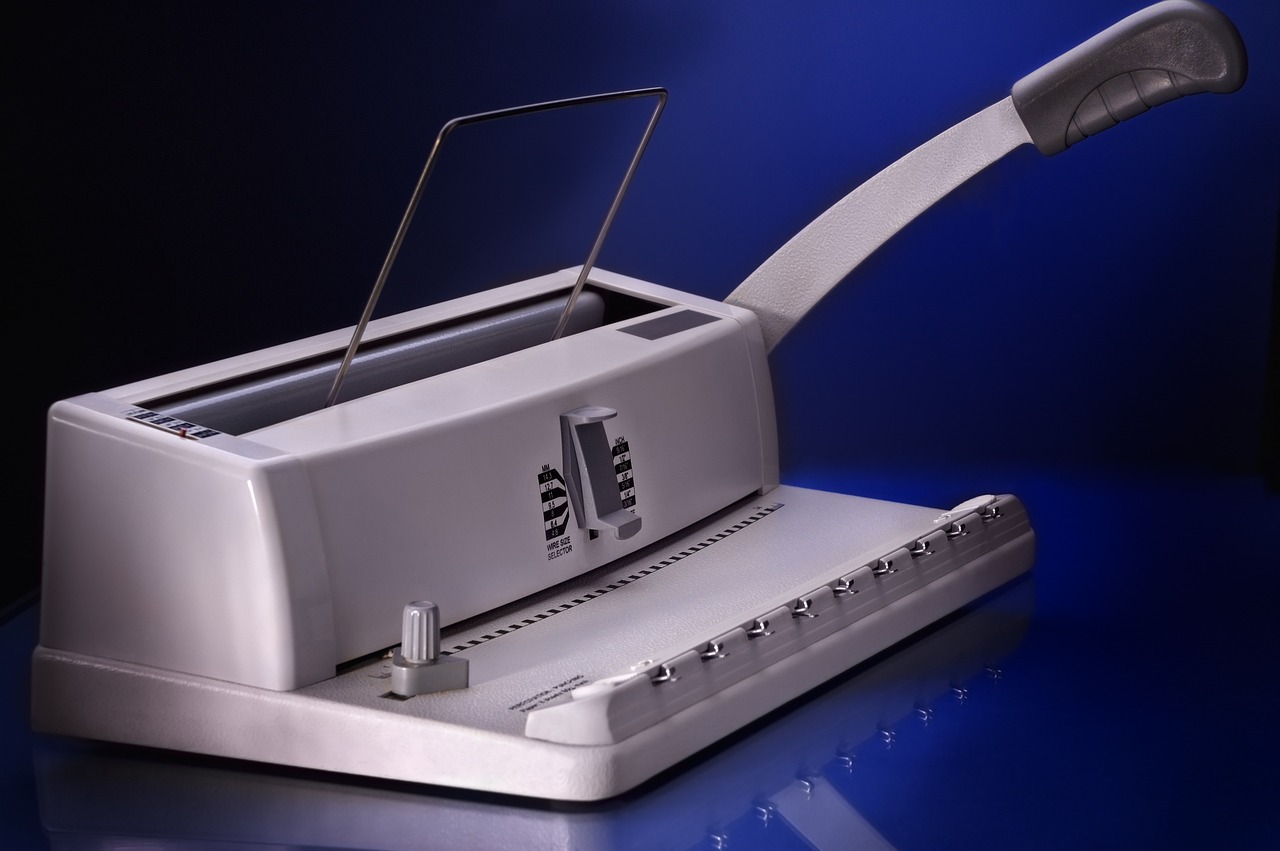
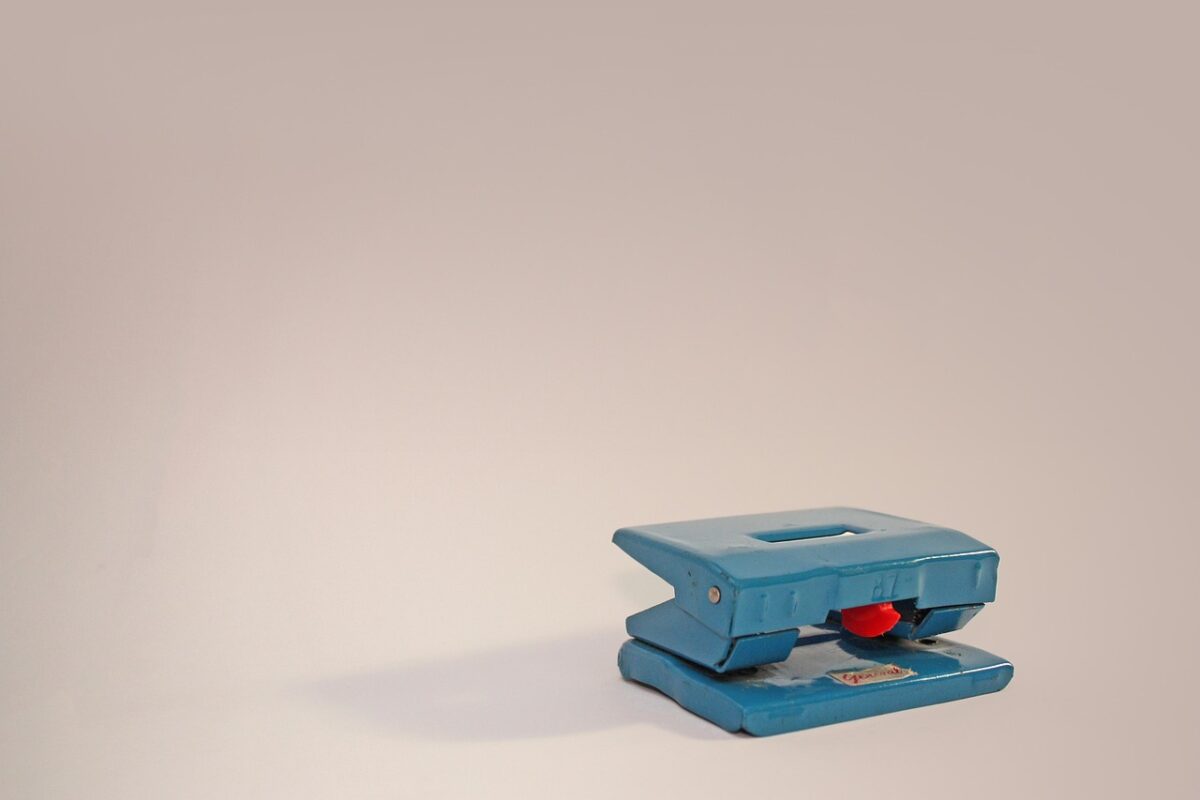
Punch capacity is how many sheets the machine punches in one pull of the handle. It is a property of the machine — its leverage, its die and its build.
A machine advertised at “450 sheets” with a punch capacity of 12 requires roughly 38 pulls of the handle to punch a 450-sheet document. That is the real experience of using it.
What punch capacity to look for
- 8–12 sheets: home and light office. Fine for documents up to about 60 pages a few times a week.
- 15–20 sheets: regular office use. This is where the work stops feeling repetitive.
- 25 sheets and above: production. Usually electric.
As with shredders, treat the rating as a maximum rather than a target. Punching at the stated maximum every time strains the die and produces ragged holes as it dulls. Around 70–80% of rated capacity is a comfortable working load.
Manual or electric punch
A manual punch is cheaper, needs no power, and is entirely adequate for occasional work. The limit is physical: punching 400 sheets 12 at a time is genuinely tiring, and tiredness produces crooked punches.
An electric punch earns its cost when someone binds documents regularly. The threshold is roughly: if anyone in your office binds more than a few documents a week, electric pays for itself in goodwill.
What to check on an electric machine
- Whether the binding action is also powered or still manual — many “electric” machines punch electrically and bind by hand, which is fine but worth knowing.
- Duty rating. Continuous punching heats the motor.
- Whether the punch is triggered by a foot pedal, which leaves both hands for the paper.
Disengageable dies
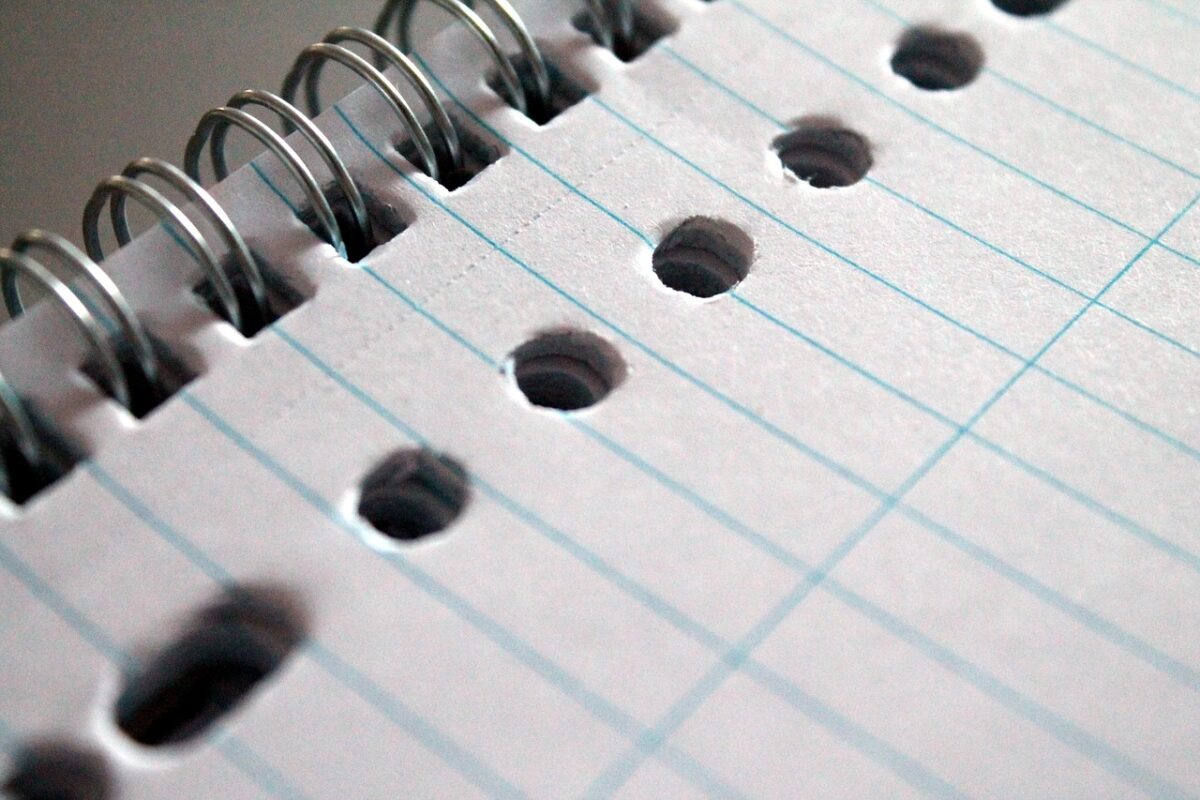
An underrated feature. Being able to disengage individual punch pins lets you punch non-standard paper sizes without a half-hole at the edge — the mark of a document bound on the wrong setting.
For a machine that will handle mixed sizes, this matters more than a couple of extra sheets of punch capacity.
Margin depth adjustment
How far from the edge the holes sit. Thicker documents need a deeper margin, because the pages at the outside of the curve travel further and a shallow margin tears.
A machine with an adjustable margin handles both a 30-page report and a 300-page manual properly. A fixed-margin machine compromises on one of them.
The waste tray
Unglamorous and worth checking. A machine with a small or awkward chip tray gets emptied late, and a full tray causes incomplete punches. A tray that slides out from the front is much more likely to be emptied than one requiring the machine to be lifted.
Alignment
Look for an edge guide and a centring guide. Punching a stack that is not square gives holes that do not line up, and that shows on every page of the finished document.
Work in consistent stack sizes rather than punching whatever is left. Consistent stacks punch straighter.
Reading our listings
Every machine in our range lists punch capacity and bind capacity separately, along with whether the punch is manual or electric and which comb or coil diameters it accepts.
If you tell us your typical document length and how many a week, we will tell you which punch capacity stops being the bottleneck.