Bringing binding in-house makes sense when the turnaround matters more than the unit cost — when a document has to be finished at five for a nine o’clock meeting. Here is what to buy, in order.
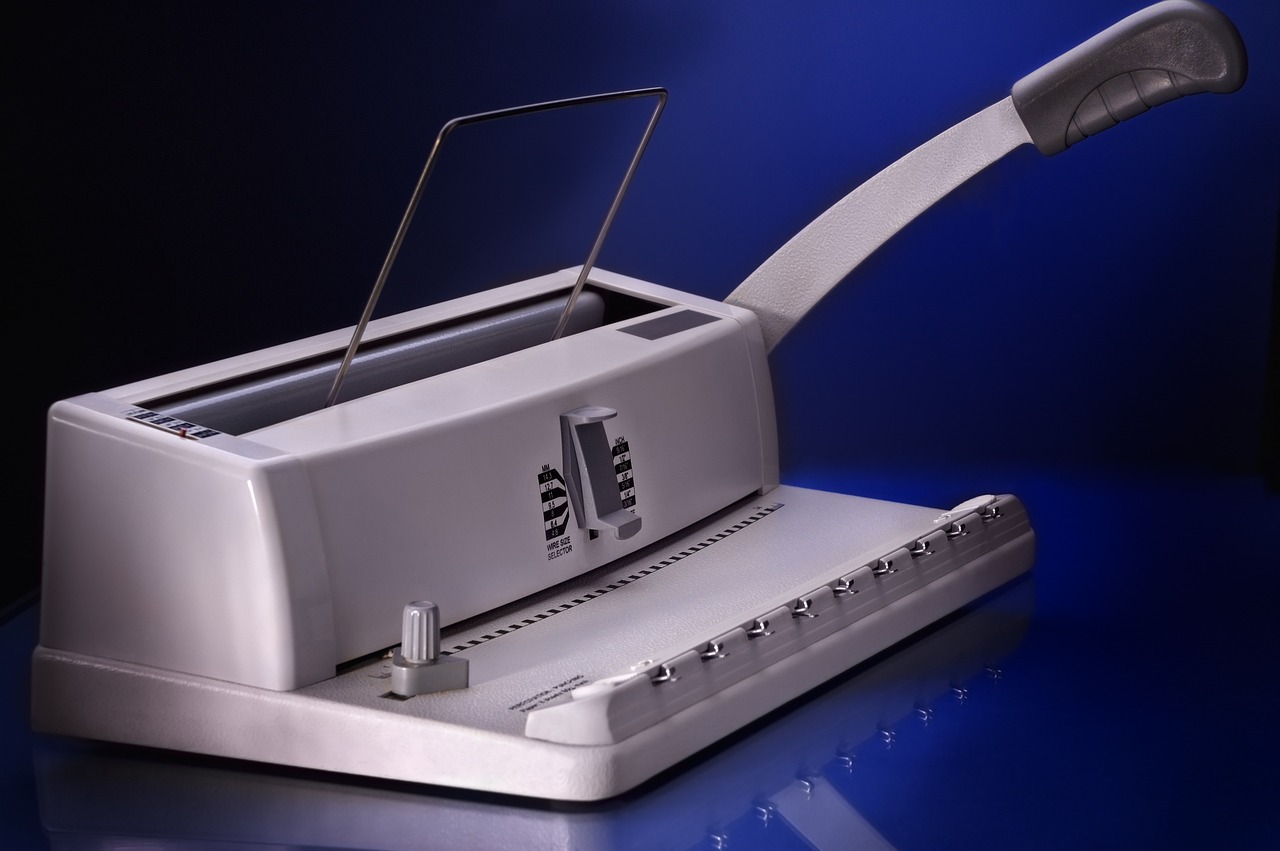
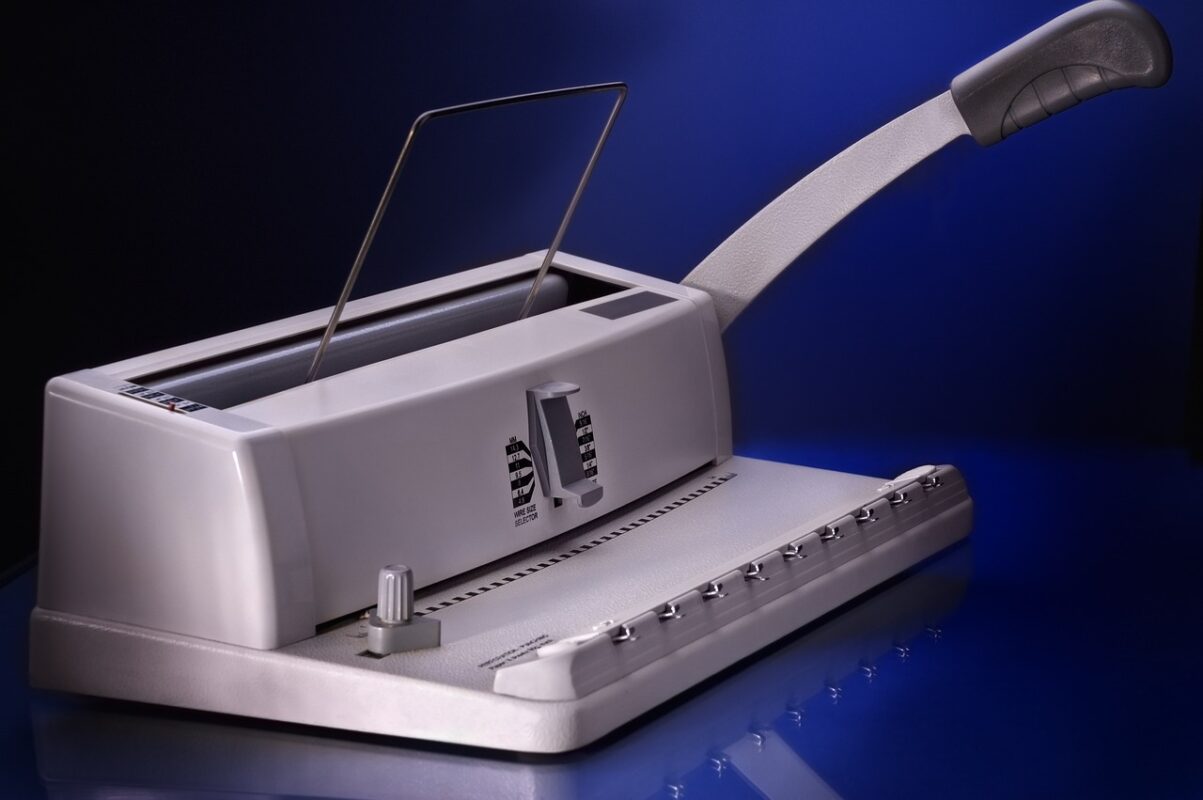
First: one comb binding machine
Comb is the right first purchase because it is the most forgiving and the most versatile. Comb documents can be reopened and rebound, so a mistake is recoverable, and the 19-ring pattern is a single standard so consumables are easy to source.
Specify: punch capacity of 15 or more, adjustable margin depth, disengageable pins, and a chip tray that slides out from the front.
Second: a stock of combs in a range of sizes
Not a large box of one size. A range from 6 mm to 25 mm covers most documents, and the most common failure of a new bindery is having only one diameter on the day it matters.
Add a few larger sizes if you produce manuals. Note the sheet capacity printed on the packs and label the shelf with it.
Third: covers
Clear polypropylene fronts and card backs, unpunched, in your standard paper size. Unpunched is deliberate — punching them on your own machine guarantees alignment.
Buy the card backs in a weight around 250 gsm. Lighter than that and the document flops.
Fourth: a rotary trimmer
Not strictly binding equipment, and it will be used constantly — squaring covers, trimming tab sheets, cutting inserts. A rotary rather than a guillotine, for the cleaner cut and the enclosed blade.
Fifth, if the volume justifies it: coil
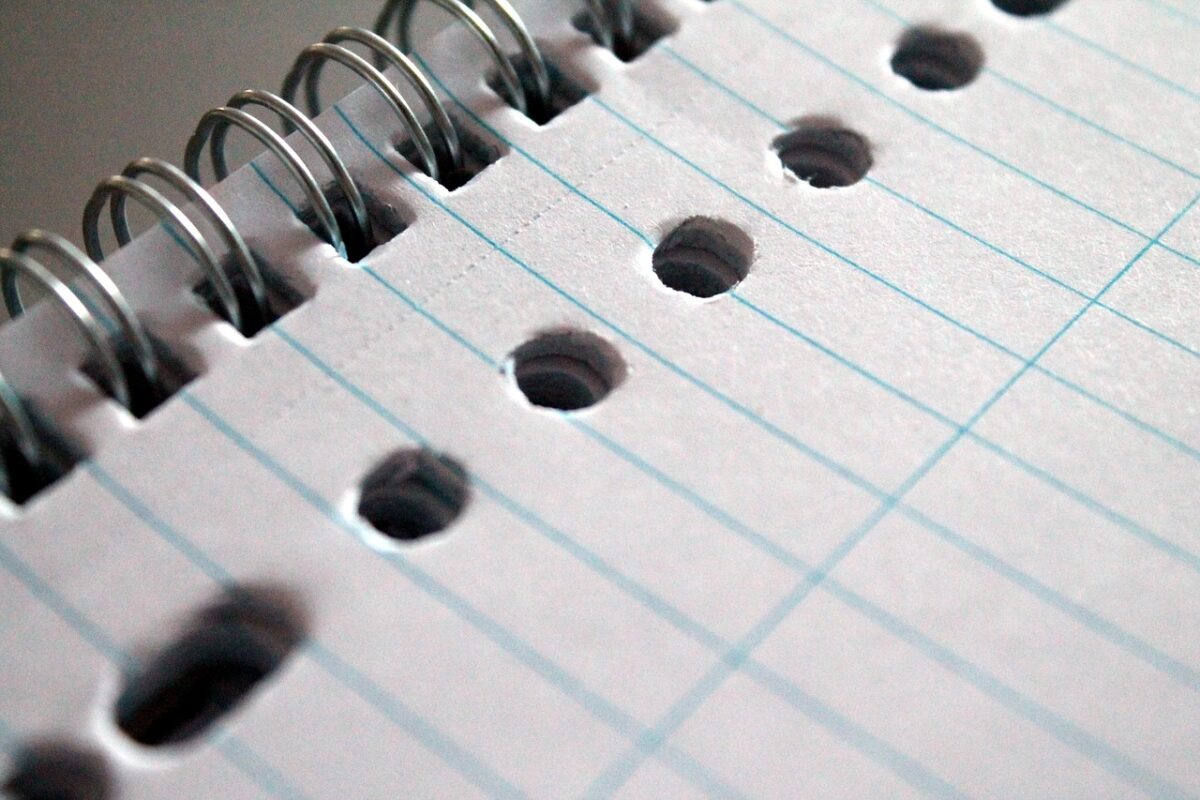
Add coil when someone asks for a document that lies flat — a bench manual, a set of instructions, a recipe collection. Coil is a genuinely different product rather than a nicer version of comb.
Remember pitch: note whether the machine is 4:1 or 3:1 and buy coil to match.
Sixth, if presentation matters: thermal
Thermal binding is for documents leaving the building. If your output is internal, you do not need it. If you send proposals to clients, it changes how the document is received.
Budget for the covers as an ongoing cost — they are the expensive part, not the machine.
Space and layout
A bindery needs more bench than people expect: somewhere to stack unpunched paper, somewhere for punched stacks in order, and somewhere to assemble. Two metres of bench is comfortable; less than one is a source of mistakes.
Put the machine at a height where the handle can be pulled with a straight back. A binder on a low table is an ergonomic problem within a week.
Who operates it
The most common reason in-house binding fails is that nobody owns it. Consumables run out, the chip tray fills, nobody knows the pitch. Name one person responsible for stock and maintenance, and label the machine with its pattern, pitch and capacity.
A minimum viable setup
- Comb binding machine, 15+ sheet punch
- Combs: 6, 10, 12, 16, 19, 25 mm
- Clear fronts and 250 gsm card backs, unpunched
- Rotary trimmer
- Wax sheets for the die
That covers the great majority of documents a small office produces, and it fits on one bench.
Browse Comb Binding Machines and Supplies, or tell us your volumes and we will suggest a starting specification.